1.1 Comparison of Core Basic Parameters
|
Comparison Dimension |
Raw Material 1 (Copper Peptide) |
Raw Material 2 (Copper tripeptide) |
Raw Material 3 (AHK-Cu) |
|
English Name |
Copper Peptide |
Copper tripeptide |
AHK-Cu |
|
CAS No. |
49557-75-7 |
89030-95-5 |
682809-81-0 |
|
Molecular Formula |
C14H24N6O4 |
C14H21CuN6O4 |
C15H24ClCuN6O4 |
|
Molecular Weight |
340.38 |
400.91 |
451.39 |
|
EINECS No. |
1592732-453-0 |
1308068-626-2 |
No public standard number available |
|
MDL No. |
MFCD00036754 |
MFCD09842093 |
No public standard number available |
|
Core Structure |
Tripeptide-1 (GHK, Glycine-Histidine-Lysine), free state (not bound to copper ions) |
Stable complex formed by Tripeptide-1 (GHK) and copper ions (GHK-Cu) |
Complex formed by Tripeptide AHK (Alanine-Histidine-Lysine) and copper ions, containing chlorine atoms |
|
Essential Positioning |
Synthesis intermediate/precursor raw material of Blue Copper Peptide (GHK-Cu) |
Classic active Blue Copper Peptide (industry default standard Blue Copper Peptide raw material) |
Artificially synthesized copper peptide derivative (functional segmented raw material) |
|
Market Positioning |
Hot product with strong demand; some customers purchase it to sell to foreign customers as injection raw material (illegal scenario) |
Hot product, high-frequency product in cosmetic raw material application, with the strongest demand |
Segmented raw material, with lower popularity and application scope than the first two |
1.2 Professional Analysis of Core Differences
(1) Chemical Structure Difference (Essential Difference)
Raw Material 1 (CAS 49557-75-7) is mainly composed of free Tripeptide-1 (GHK) chains, with no copper ions (Cu) in its molecular formula, in an unactivated state. Its core value is as a synthetic raw material, which can be converted into biologically active Blue Copper Peptide (Raw Material 2) after coordination reaction with copper ions; Raw Material 2 (CAS 89030-95-5) is a stable complex formed by Tripeptide-1 and copper ions, the naturally existing active form in human plasma, which is generally referred to as "Blue Copper Peptide" in the industry; Raw Material 3 (CAS 682809-81-0) is an artificially synthesized derivative with the amino acid sequence AHK (replacing glycine in GHK with alanine), containing chlorine atoms and having better fat solubility.
(2) Efficacy and Application Scenario Differences
Raw Material 1 has no direct skincare efficacy, only used as a synthetic intermediate for raw material factories with synthetic capabilities; at the same time, there is an illegal scenario where some customers purchase it and sell it to foreign customers as injection raw material; Raw Material 2 has comprehensive efficacy (repair + anti-aging), suitable for various skincare formulations, is a high-frequency product in cosmetic raw materials, and is the first choice for skincare brands; Raw Material 3 has focused efficacy (hair growth + high-permeability repair), suitable for hair growth and high-end sensitive skin repair products, with segmented application scenarios and high cost.
(3) Chemical Properties and Formula Compatibility Differences
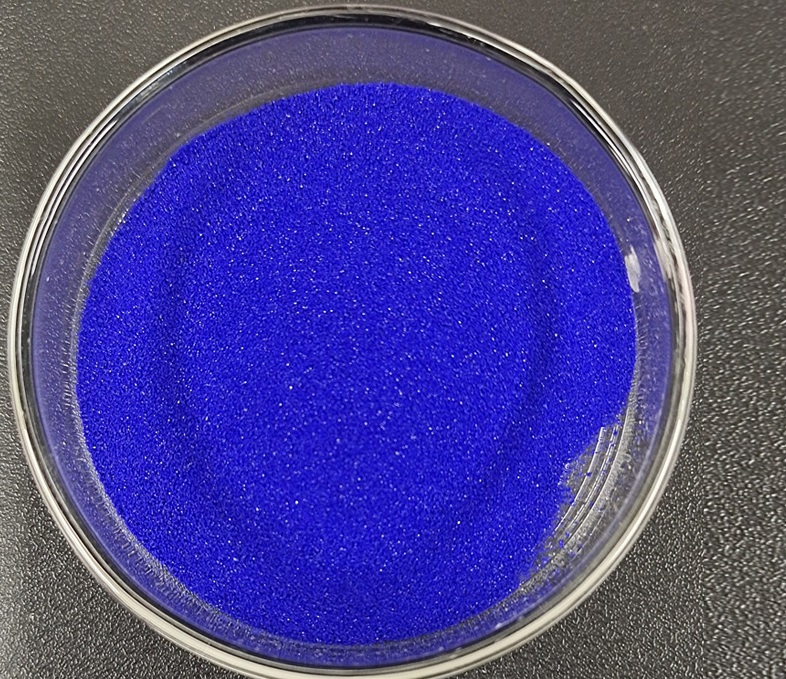
Raw Material 1 has excellent water solubility but general stability, requiring sealed, light-proof and low-temperature storage, only used for synthesis; Raw Material 2 has good water solubility, most stable at pH 5-7, aqueous solution is blue, with medium formula compatibility, avoiding strong oxidants, acidic ingredients, etc.; Raw Material 3 has good water solubility, slightly better stability and stronger permeability, but stricter formula compatibility and higher cost than the first two.
II. Safety Risks of Raw Material 1 (CAS 49557-75-7) as Injection Raw Material
Raw Material 1 is essentially a synthetic intermediate of Blue Copper Peptide, which does not meet the standards of injection-grade raw materials. Using it as an injection raw material is an illegal application, with multiple dimensions of safety risks, as follows:
2.1 Sterility and Endotoxin Exceedance Risks (Core Risks)
Raw Material 1 is produced according to the synthetic intermediate standard, without sterile treatment and endotoxin control as required for injection grade, failing to meet international injection standards such as USP. After injection, it may cause local infections (redness, swelling, suppuration, abscess), systemic infections (sepsis, bacteremia) and endotoxin reactions (fever, chills, shock), which are life-threatening.
2.2 Insufficient Ingredient Compatibility, Causing Physiological Adverse Reactions
Raw Material 1 is a free peptide chain with no biological activity and is not a natural active form of the human body. After injection, it cannot exert the expected efficacy, but may also cause allergic reactions (urticaria, anaphylactic shock), local irritation (stinging, edema, tissue necrosis) and metabolic disorders, which may damage liver and kidney functions with long-term use.
2.3 Impurity Residue Risks, Causing Long-Term Safety Hazards
The purity of Raw Material 1 (≥98%) is much lower than the injection-grade requirement (≥99.5%). Synthetic raw materials, by-products and other impurities may remain during production. After injection, impurities accumulate in the body, causing chronic inflammation and tissue granulomas. Some unknown impurities may bring long-term risks such as cytotoxicity and genotoxicity, without clinical safety data support.
2.4 Potential Risks Related to Copper Metabolism
Although Raw Material 1 is not bound to copper ions, it may non-specifically bind to copper ions in the body after injection, interfering with copper metabolism balance, leading to local pigmentation and tissue oxidative damage; for people with copper metabolism disorders (such as Wilson's disease), it may aggravate the condition and cause organ damage.
III. Professional Procurement and Compliance Suggestions
1. Procurement of synthetic intermediates (for independent synthesis of Blue Copper Peptide): Choose Raw Material 1, focusing on peptide chain purity and stability; 2. Procurement of active raw materials for cosmetics (repair and anti-aging): Choose Raw Material 2, with high cost performance and wide application, requiring COA and HPLC test reports; 3. Procurement of segmented functional raw materials (hair growth/high-end repair): Choose Raw Material 3, evaluating formula compatibility and cost; 4. Strictly avoid the illegal scenario of using Raw Material 1 as injection raw material, inform customers of relevant safety risks and compliance requirements in advance, and avoid legal and safety liabilities.